- FireStarters - The Nichefire Newsletter
- Posts
- Before You Jump on a Trend, Ask a CIE
Before You Jump on a Trend, Ask a CIE
Why Cultural Intelligence Engineers approach buzz differently.

Nichefire Newsletter
January 09, 2026
Welcome back to FireStarters—this week, we decided we needed to go back to basics. Specifically, we want to ask the question, “How is a Cultural Intelligence Engineer (CIE) expected to relate to trends?” After all, they were hired to get results, not write anthropology papers, right?
First off, let’s just be real, CIEs on your team (maybe even you) are definitely different. They have graduated from the “can we get something out in time?” content scramble to a far more strategic mandate: understanding what culture is actually doing and what that means for their business.
A CIE does, however, use cultural data to evaluate how any buzz, meme, or micro-trend fits into the larger forces shaping consumer behavior. They aren’t obsessed with being first to post today—they’re obsessed with being first to understand, and first to the emerging market.

But really though, cultural data points to loneliness as a major drive of consumer behavior.
Read more →
And that understanding becomes the engine for better product timing, sharper messaging, and smarter resource allocation.
Case Study: Healthy Baking & Matcha
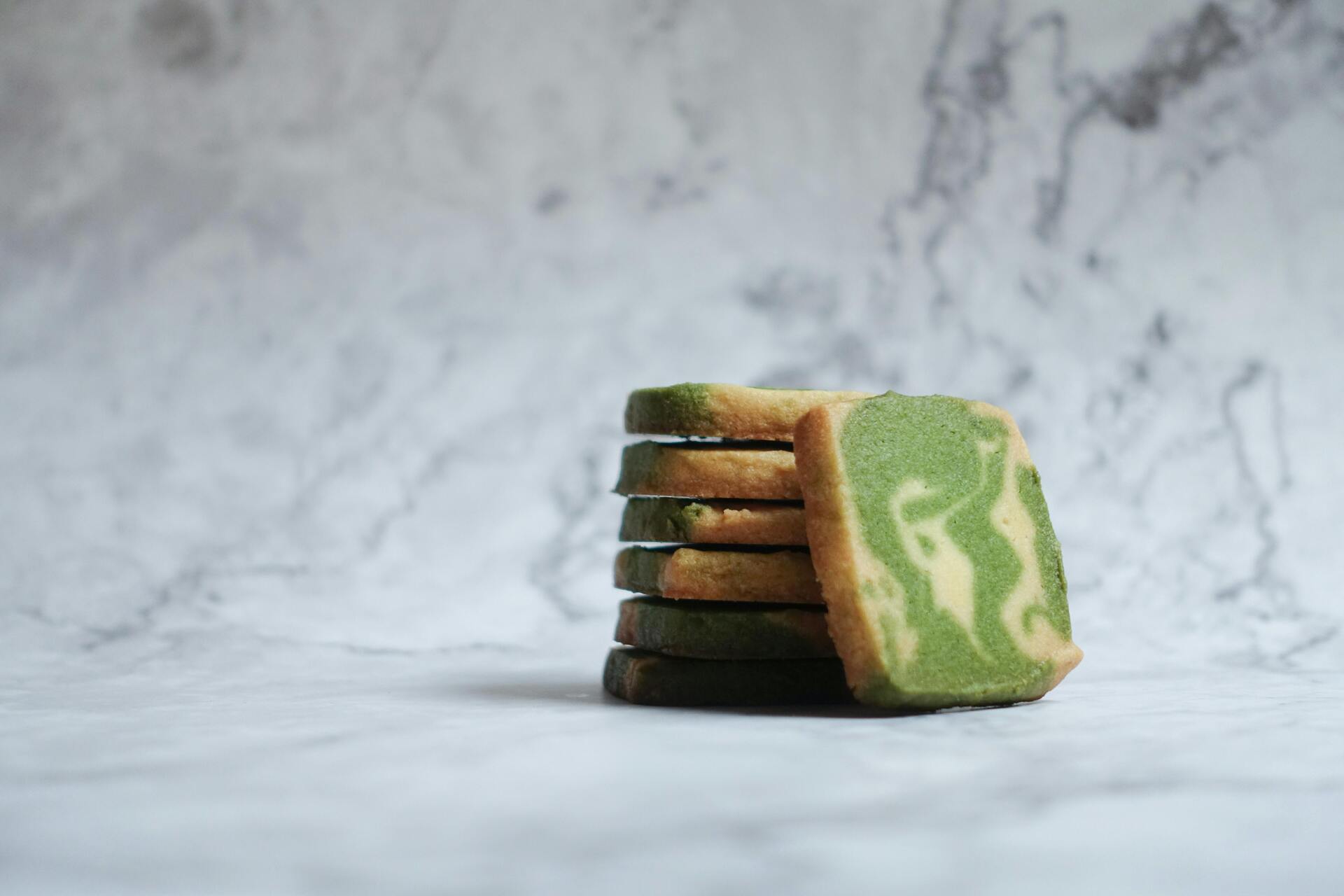
When a global CPG team used Nichefire to increase their market share in the baking aisle, they weren’t searching for “the next big flavor”—they were studying the deeper movement around healthy comfort baking.
Long before matcha desserts exploded on social platforms, their team saw early deeper cultural signals that consumers were blending wellness with indulgence.
Acting on those signals, they published matcha-inspired baking content early, while competitors were still in planning cycles. The payoff was massive: 3M+ organic views across TikTok and Instagram, gained through timing rather than spend. This giant
didn’t buy attention—they arrived before the crowd, creating a lower CAC entry into a culturally primed moment.
Think With the Whole Pyramid In Mind
Every trend or buzzword sits on top of a much larger cultural structure, and CIEs know that the real insights are at the bottom of the pyramid, not the top.
At the base is Culture: the long-term forces shaped by environment, identity, values, and social behavior. Above that are Attitude Shifts, which play out over multi-year periods and reveal how people’s beliefs and emotional drivers are evolving.
And at the very top are Trends, the short-lived expressions of those deeper shifts. Most brands stop at the top—reacting to trends, trying to make content fast enough to keep up. But CIEs work downward, using data to understand why a trend exists, what it signals, and what direction it points toward next.

We get that may just read like theory, so here’s a breakdown with some common things that may already be on your radar:
The “Trend” says… | The CIE knows that… |
|---|---|
“British food and ingredients are popular” | More importantly, Americans crave communal dining experiences as a cure for isolation. British food is associated with communal third spaces like pubs |
“GLP-1s are killing food consumption.” | GLP-1s are shifting the way consumers eat, and changing consumption patterns |
“Retro design is in.” | More and more young consumers are “Newstalgic” - they are drawn to modern takes on older experiences. |
What is Firesearch, and how does it help solve the problem?
Firesearch is the starting point for all research in Nichefire. It helps social intelligence teams stay current, culturally attuned, and connected to culture. Here’s how it works:
Just type in what you want to explore—anything from “gut health” to “clean luxury”—and Firesearch instantly scans platforms like Reddit, forums, news media, and social chatter. But that’s just half of it.
What really sets Firesearch apart is the instant, at-a-glance cultural analysis it delivers for every search.
The result? A clean, fast cultural analysis of what’s happening right now with consumers. It doesn’t just show you what people are saying—it shows why it matters, where it's gaining traction, and how sentiment is shifting.
For social intelligence and consumer insights teams, that’s a game-changer.
Firesearch saves hundreds of hours usually spent sifting through noise. It helps you quickly spot the most culturally resonant opportunities for deeper research within Nichefire, and gives you enough lead time to act while it still matters.
Experience Firesearch action with Khalil
Watch Khalil use Firesearch to unpack cultural conversations around “DIY experts.”
Khalil breaks down real cultural movements in the Nichefire platform every week in his newsletter “Lil’ Signals.” Check it out today →
A CTO’s take: Rayhaan Iqbal
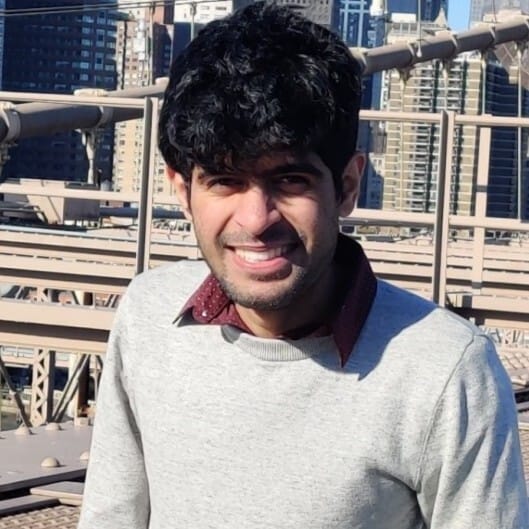 | Meet the man behind Firesearch — and the whole of Nichefire’s tool: Rayhaan Iqbal. He’s excited not just about how Firesearch works, but how it truly empowers the user: “Firesearch doesn’t just summarize the internet—it models how real people are interacting with culture in real time. That’s what makes it so powerful. It’s the foundation for smarter strategy, not just faster answers.” |
Nichefire’s Firesearch vs. Talkwalker Search: Not the same game
Talkwalker is one of the most popular social listening and consumer intelligence tools available. It’s great for downstream research, but when it comes to starting cultural research, it’s a different story.
Talkwalker’s lack of contextual and cultural analysis beyond quantitative metrics forces teams to spend more time sifting through noise.
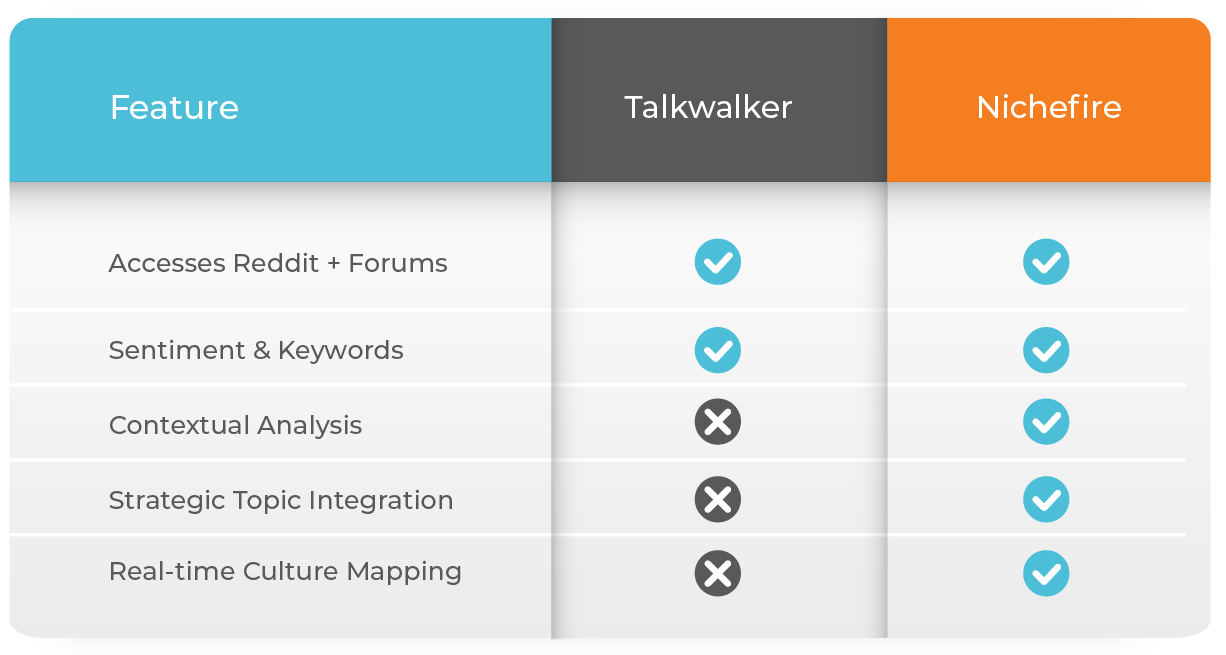
Firesearch helps Cultural Intelligence Engineers know why they matter.
And that’s a wrap on this edition. If you’re still hooked on trends, this is your signal to think bigger.
You’ll thank us later.